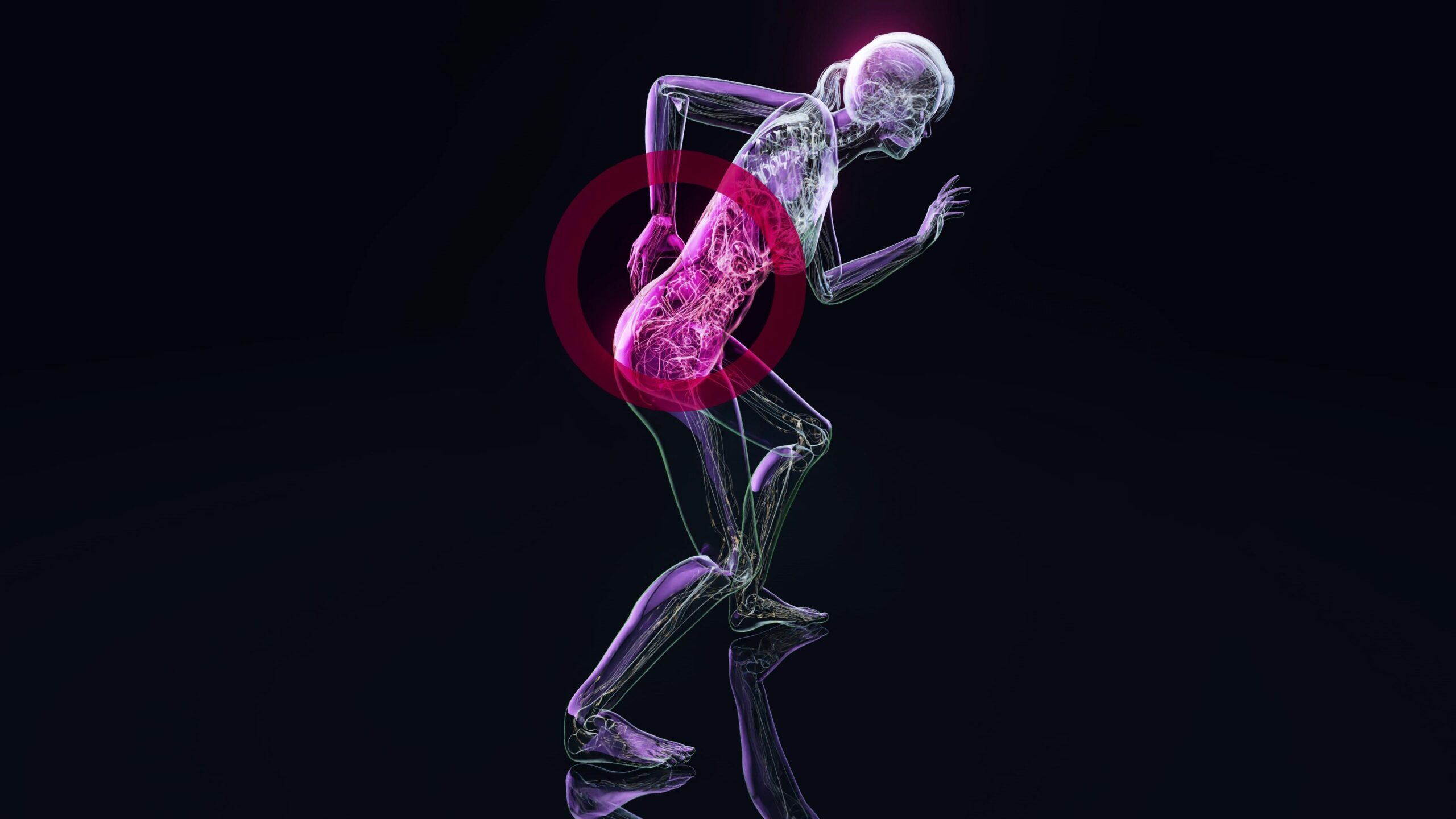
Thinking Long Term About Spine Health
Most people think about their spine only when it hurts. Pain has a way of demanding attention. What often gets overlooked is that spine health is a long game. The choices you make today shape how your back and neck feel decades from now.
I see patients at every stage of life, from young athletes to retirees. The most common regret I hear is, “I wish I had taken better care of my body earlier.” The good news is that it is never too late to start. Small daily habits add up over time, and those habits matter far more than one perfect workout or one good posture day.
Movement Is Medicine
Your spine was designed to move. When movement disappears, stiffness and pain often follow. Prolonged sitting, repetitive motions, and avoidance of activity weaken the muscles that support your spine.
Daily movement does not require a gym membership. Walking, gentle stretching, and regular position changes throughout the day help keep joints healthy and nerves calm. For those who enjoy exercise, a balanced routine that includes mobility, strength, and cardiovascular work is ideal.
Motion nourishes discs and joints by improving blood flow and fluid exchange. When you move consistently, your spine stays resilient and adaptable.
Strength Is Protection
Strong muscles act like armor for your spine. The core muscles, hips, glutes, and upper back all play a role in protecting your neck and lower back. Weakness in these areas forces the spine to absorb stress it was not designed to handle alone.
Strength training does not mean lifting heavy weights. Bodyweight exercises, resistance bands, and controlled movements can be incredibly effective. Consistency matters more than intensity.
I often tell patients that strength is insurance. It protects you during everyday activities like lifting groceries or playing with grandchildren. It also reduces the risk of injury during unexpected movements.
Mobility Keeps You Young
Strength without mobility can still lead to problems. Tight muscles and stiff joints change how forces move through the spine. Over time, that imbalance can contribute to pain and degeneration.
Simple mobility work for the hips, shoulders, and thoracic spine can make a noticeable difference. Stretching should be comfortable, not forced. The goal is freedom of movement, not extreme flexibility.
Mobility helps maintain balance and coordination, which become increasingly important as we age. Staying mobile reduces fall risk and helps preserve independence.
Posture Is About Awareness
Posture is not about sitting perfectly upright all day. It is about awareness and variation. No posture is healthy if you hold it too long.
Frequent posture changes, supportive seating, and screen height adjustments reduce strain on the neck and back. Taking breaks to stand, stretch, or walk is one of the simplest and most effective habits you can build.
I encourage patients to think of posture as a moving target. The best position is the next position.
Nutrition Feeds the Spine
What you eat affects inflammation, healing, and tissue health. Poor nutrition can contribute to chronic inflammation, which often worsens pain.
A diet rich in whole foods, lean protein, healthy fats, and colorful fruits and vegetables supports muscle and bone health. Staying hydrated helps maintain disc health and joint lubrication.
Nutrition is not about perfection. It is about consistency. Small improvements sustained over years can have a meaningful impact on how your spine feels.
Sleep Is Recovery Time
Sleep is when the body repairs itself. Poor sleep increases pain sensitivity and slows healing. Your spine needs rest just like the rest of your body.
Supportive mattresses and pillows help maintain neutral alignment, but sleep quality matters more than any product. Consistent sleep schedules and healthy routines improve recovery and energy.
When patients improve sleep, pain often improves as well.
Managing Stress Matters
Stress tightens muscles and amplifies pain signals. Chronic stress can make minor discomfort feel overwhelming.
Breathing exercises, mindfulness, and regular physical activity help calm the nervous system. Managing stress is not a luxury. It is a core component of spine health.
When the nervous system is calmer, the body moves better and heals more effectively.
Aging Does Not Mean Decline
Aging is inevitable, but decline is not. Degenerative changes on imaging do not automatically mean pain or disability. Many people with age-related changes live active, comfortable lives.
Staying engaged, moving regularly, and maintaining strength and mobility support long-term function. The goal is not to avoid aging, but to age well.
Your spine can remain strong and reliable well into later decades if you treat it with care.
Small Choices Add Up
Longevity of the spine is built through daily decisions. Choosing to move instead of sit. Choosing to strengthen instead of avoid. Choosing to nourish instead of neglect.
You do not need to be perfect. You need to be consistent.
Protecting your back and neck over the next 30 years starts with respect for your body and attention to how you live each day. When you invest in your spine now, you invest in freedom, independence, and quality of life for the future.